
Reviewed · COOKING CLASSES
Paris: Macaron, Croissant or Pastry Class with a French Chef
The best part of this Paris class is that you do not just watch a chef pipe, fold, and bake. You work with the dough or batter yourself, in a small kitchen near Sacré-Cœur, and learn the little technical moves that make French pastry succeed. Choose macarons, croissants, French tarts, or luxury macarons with champagne ganache.
I like the six-person limit, which gives the chef time to correct your piping, folding, and mixing. I also like the practical finish: you taste the results with tea or coffee, then pack the rest for later. Macaron students may take home about 15 pieces, while croissant students have received eight each.
The main consideration is that this is a real baking lesson, not a quick tourist demonstration. Croissants and tarts take up to three hours, and some techniques are more exacting than they first appear. The workshop door can also be hard to spot, so arrive early and allow time to find the quiet side street.
In This Review
- Key points to know before booking
- A pastry class near Montmartre, not a staged food show
- Choosing between macarons, croissants, and tarts
- What you actually do during the 150-minute session
- Why the small group makes a difference
- The finish: fresh pastry, coffee, and a box to carry home
- The techniques you can carry back to your own kitchen
- Who should book this Paris baking experience?
- Planning the class around your Paris day
- Final call: is $112 worth it?
- FAQ
- Where is the pastry workshop located?
- Which pastry classes can I choose?
- Are the classes taught in English?
- How many people attend each class?
- What is included in the booking?
- Can children participate?
Key points to know before booking
- Four pastry choices: Pick macarons, croissants, French tarts, or champagne ganache macarons.
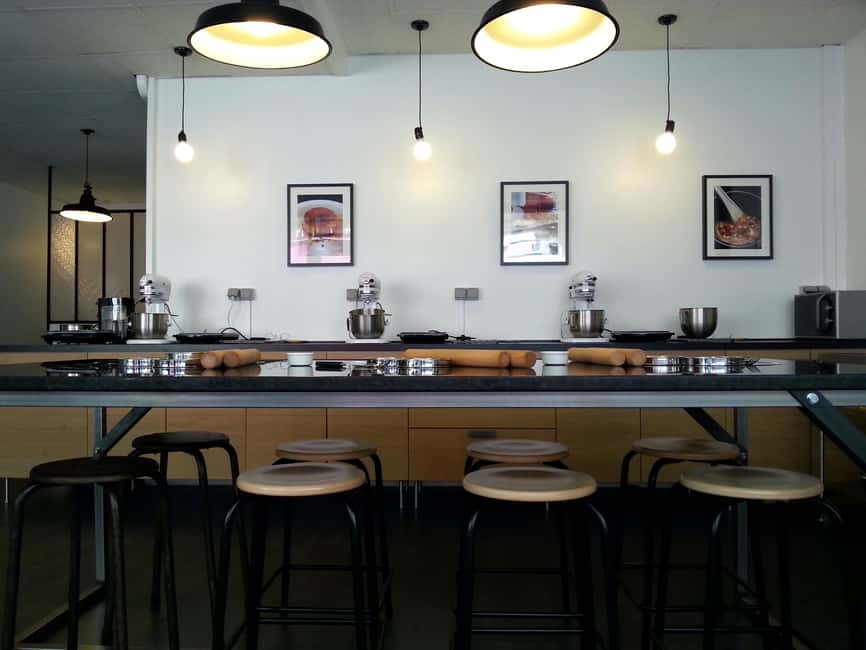
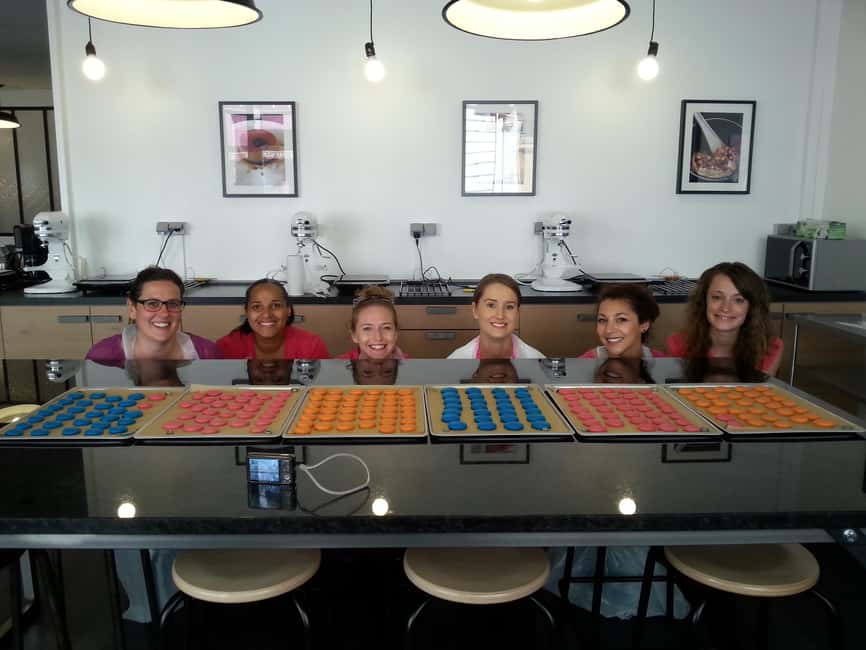
- Small classes: The kitchen takes no more than six participants, allowing personal help from the chef.
- English instruction: You receive an English recipe copy and step-by-step guidance throughout.
- A practical Paris setting: The workshop sits near Montmartre and Sacré-Cœur, in the SoPi neighborhood.
- Take-home results: You can eat your pastries on site or carry them away in provided bags.
- Age limits matter: Macaron classes are for ages 12 and up, while croissant and tart classes require participants to be at least 15.
A pastry class near Montmartre, not a staged food show
This experience takes place in a ground-floor boutique workshop on a quiet street in South Pigalle, often called SoPi. You are close to the Sacré-Cœur basilica and Montmartre, but the immediate setting is calmer than the main tourist lanes around the hill.
That location works well for a half-day plan. You can visit Montmartre before or after class, though you should not assume the workshop is right on the basilica steps. The nearest stations are Anvers on Metro Line 2, Cadet or Poissonnière on Line 7, and Gare du Nord for Metro and train connections.
I would arrive early. One participant had trouble finding the correct door because the entrance was not clearly marked. Another had difficulty driving and finding parking, taking about 45 minutes to locate a space. Paris is a poor place to cut timing close by car, so use public transportation if possible and give yourself a cushion.
On arrival, you settle in, meet the other bakers, put on an apron, and get your equipment. The class is taught in English by a French pastry chef, with instructors including Gaëlle and Gail named in participant accounts. The tone is friendly, but the work remains hands-on and focused.
More cooking and pastry classes in Paris:
- Paris Cooking Class and Lunch with Wine plus Market Visit Option
★ 5.0 · 1,024 reviews - Paris: Macaron Class at Galeries Lafayette
★ 4.3 · 905 reviews - Paris Cooking Class: Learn How to Make Macarons
★ 5.0 · 634 reviews
Choosing between macarons, croissants, and tarts
Your choice of class will shape the entire afternoon. These are not interchangeable versions of the same activity.
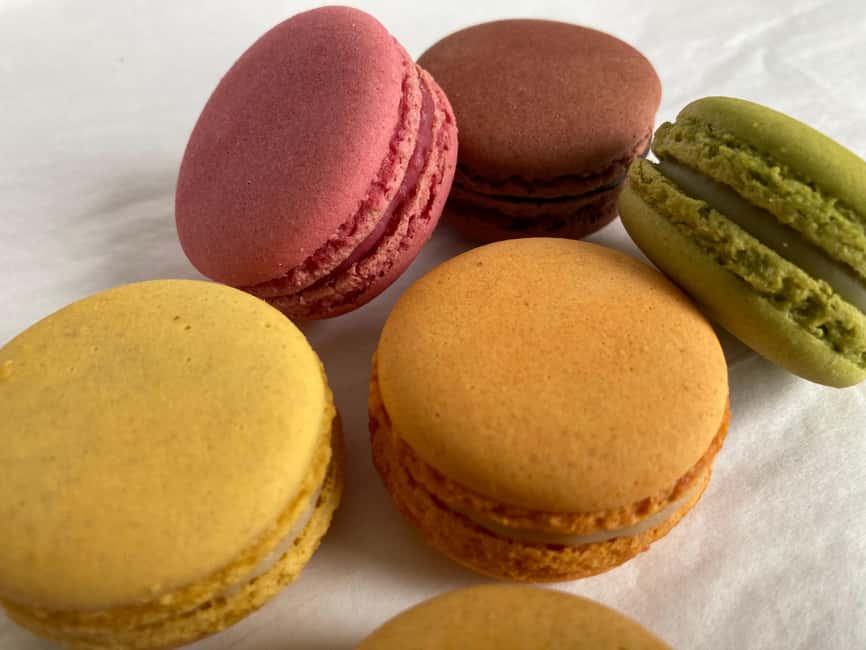
The macaron class is the clearest choice if you want a colorful, giftable result and a lesson that fits into roughly 150 minutes. The focus is the Italian meringue method, a technique that depends on careful mixing, consistent piping, and proper baking. You learn why the shells rise, how the batter should flow, and how to avoid the common mistakes that leave macarons cracked, hollow, or uneven.
Macarons look simple in a pastry case, but they are fussy at home. That makes an instructor especially useful. The chef can show you what the mixture should look like at each stage, which is more useful than reading a recipe alone. A good result is not just about ingredients. It is also about texture, timing, and control.
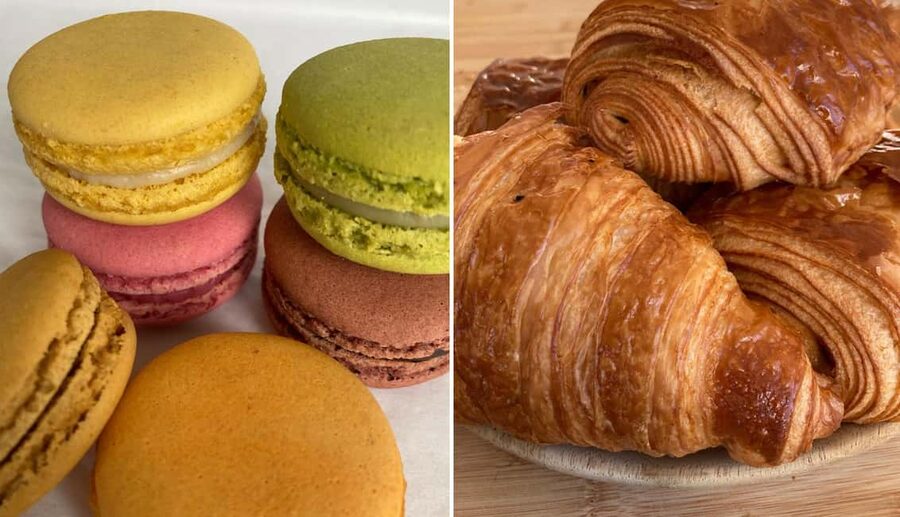
Macaron classes have produced around 15 macarons per participant to take home. That is a generous edible souvenir, though remember that delicate shells do not travel as casually as a postcard. You can also eat some at the workshop with coffee or tea.
The croissant class is the better pick if laminated dough interests you. You learn how butter and dough are folded to create the thin layers that give a croissant its crisp outside and soft interior. The finished goal is the classic light, flaky, melt-in-your-mouth pastry.
This option requires patience. Croissant dough is technical, and the class can last about 150 minutes to three hours depending on the session. One useful detail is the reported yield of eight croissants per person. You can eat some fresh and bring the rest home, which makes the price easier to assess.
The French tart class is the longest option, at three hours. It is suited to you if you want a broader pastry lesson and enjoy working through several parts of a dessert rather than concentrating on one signature item. The class aims to teach techniques you can repeat at home, with the exact tart project depending on the scheduled course.
The tart choice also comes with an English copy of the recipes and an Everyday Gourmet French Tarts eBook. That extra material has real value if you plan to keep baking after Paris, though an eBook cannot replace the benefit of seeing the chef handle the pastry in person.
The luxury macaron class with champagne ganache adds a more celebratory angle. You make macarons filled with chocolate ganache flavored with champagne, then taste them with a glass of bubbly. This is the most occasion-oriented choice and may suit a birthday, anniversary, or special afternoon more than a family baking session.
What you actually do during the 150-minute session
The class begins with an introduction to French patisserie and the basic ideas behind the chosen recipe. The chef explains not only what to do, but why the technique matters. That science is useful because French pastry can be sensitive to small changes in mixing, temperature, and handling.
You then work through the recipe with the group. The chef demonstrates each stage and guides you as you repeat it. With no more than six people, you should have a reasonable chance to ask questions and get direct help. The small size is one of the strongest reasons to choose this workshop instead of a large demonstration.
For macarons, expect close attention to meringue and piping. You need to work neatly and consistently, and a chef can spot a problem before it reaches the oven. For croissants, the important work centers on dough and butter layers, shaping, and the structure needed for a flaky result. Tarts involve pastry work and the careful assembly of the dessert.
The class is not designed only for experienced bakers. Beginners can take part, but you should be ready to follow instructions carefully. One participant described the croissant class as more technical than expected, yet still worthwhile because the fresh result made the effort clear. That is a fair way to view the experience: the difficulty is part of the lesson.
Why the small group makes a difference
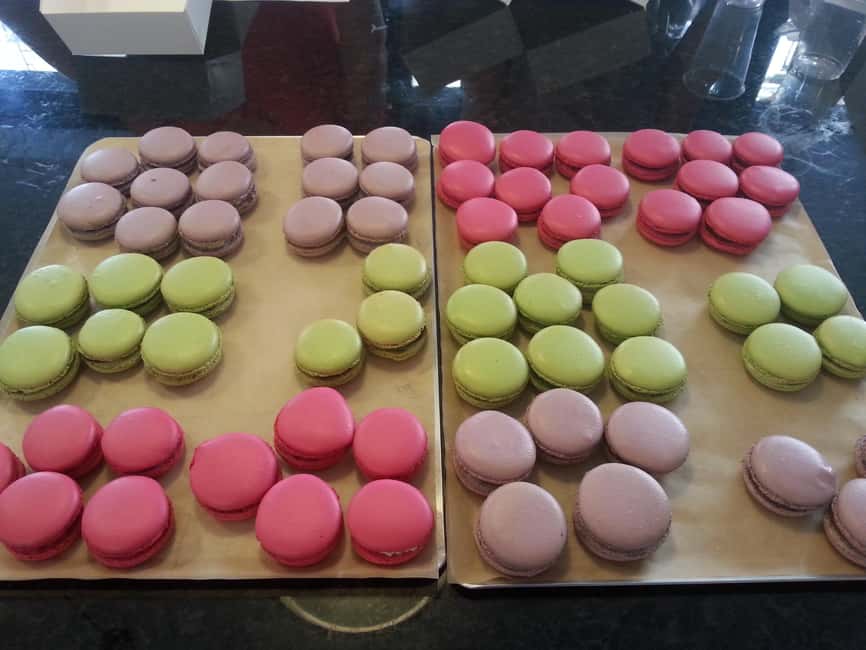
A maximum of six participants changes the feel of the class. You are not standing at the back of a crowded room trying to see a bowl or piping bag. You can ask for help, compare your technique with someone else’s, and receive corrections while the mixture is still fixable.
The small group also makes this a social activity without forcing a large-group party atmosphere. Solo participants can meet other food lovers, while couples and families can share a task instead of simply sitting at a restaurant table. Several participants came alone or with a partner and found the format easy to enjoy.
The chef’s patience is important here. Macaron piping and croissant shaping can expose uneven skill levels within one group. Instructors such as Gaëlle and Gail have been praised for calm, hands-on help and clear explanations. I would value that more than a flashy chef demonstration because you want to leave knowing what your own hands did.
The tradeoff is that every participant works at a different speed. You may spend time waiting for a baking or resting stage, or you may find yourself concentrating hard while others are ready to move on. That is normal for a working pastry class, not a flaw, but it means the pace is not as effortless as a tasting tour.
More Paris trips worth a second look
- Fragonard Paris: Mini Perfume Workshop
★ 4.5 · 1,924 reviews - Paris Croissant Small-Group Baking Class with a Chef
★ 5.0 · 910 reviews - Paris: 2-Hour Perfume Creation Workshop
★ 4.8 · 731 reviews - Paris: French Croissant Baking Class with a Chef
★ 4.9 · 712 reviews
The finish: fresh pastry, coffee, and a box to carry home
At the end, you can taste what you made with tea or coffee. This is the satisfying part, but it also has a practical purpose. Fresh pastry gives you an immediate sense of texture, sweetness, and finish, so you can compare the result with the ideal the chef described earlier.
You can instead place your creations in a take-home bag. That is especially useful after a croissant or macaron class, when your batch may be too large to finish on the spot. Macaron students have taken home about 15 pieces, and croissant students have taken home eight pastries each.
The take-home element adds value to the $112 price. You are paying for instruction, ingredients, equipment, a recipe copy, an apron, and a prepared food souvenir, not just admission to a room. Still, I would not book it purely to save money on pastries. A Paris bakery will sell you excellent macarons or croissants for less effort and often less cash.
The value is in learning the method, getting direct corrections, and enjoying a structured activity in Paris. If you bake at home, the recipe and technique can keep paying off after your trip. If you do not bake, the class remains a pleasant food memory, but the price is harder to justify than it is for someone eager to practice again.
The techniques you can carry back to your own kitchen
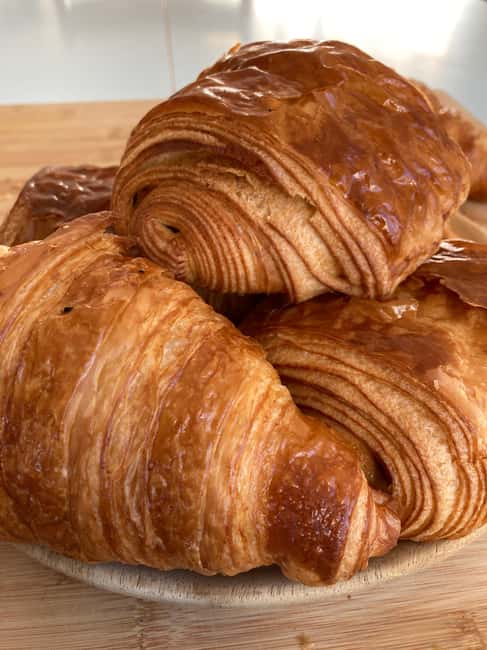
The most useful part of the class is the advice that may not appear in the printed recipe. Pastry instructions often tell you the quantities and oven settings but do not show the texture of the dough or batter at the critical moment.
An instructor can help you recognize when a macaron mixture is ready to pipe, when croissant dough has been handled correctly, or how to use a piping bag with better control. Those visual and physical cues are hard to learn from a cookbook.
The goal is not to turn you into a professional pastry chef in one afternoon. It is to give you a reliable starting method and enough confidence to try again. Several participants planned to make macarons or croissants at home, and one particularly useful detail is that the class helped a teenager gain confidence with macarons.
The supplied English recipes make the lesson easier to repeat. The French tarts eBook adds another set of ideas, although you should treat it as a bonus rather than the main reason to book. The real value comes from working beside the chef while the pastry is being made.
Who should book this Paris baking experience?
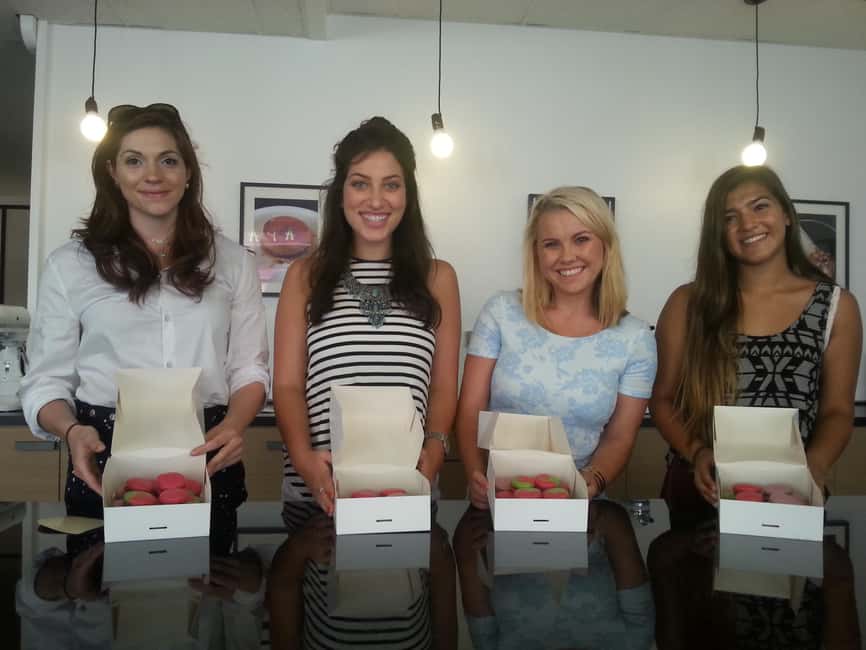
I would recommend it to:
- Couples looking for a shared activity beyond museums and monuments
- Solo visitors who enjoy meeting people through food
- Families with teenagers who already have an interest in baking
- Beginners who want patient, direct instruction
- Experienced home bakers who want to improve a specific French technique
- Anyone who wants a useful edible souvenir rather than another small purchase
The age rules are important. Children under 12 cannot join the macaron class. Children under 15 cannot join the croissant or French tart classes. Participants aged 12 to 17 must be accompanied by a participating adult, and children cannot enter without an accompanying participant.
This is not the best match for a very young child, someone who dislikes precise kitchen work, or anyone hoping to wander in and out. Only booked participants can enter the workshop, so a nonparticipating family member cannot simply sit in and watch.
Planning the class around your Paris day
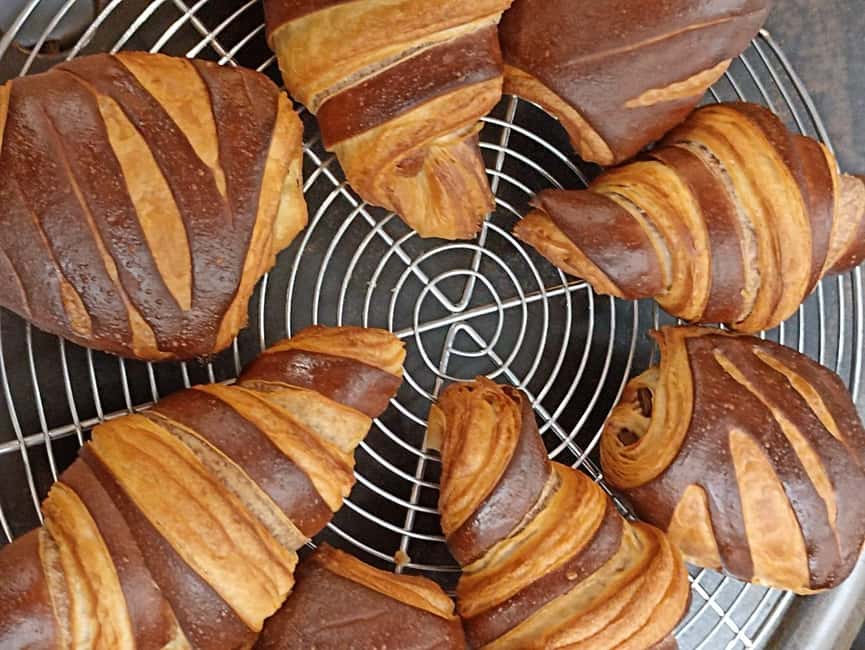
The workshop is near two major sightseeing areas: Montmartre and Gare du Nord. You can pair it with a walk around Montmartre, but plan your route with care. The class lasts from 150 minutes to three hours, and pastry work can make you want a quiet break afterward rather than another tightly scheduled attraction.
If you choose the tart class, protect the full three-hour window. Do not book a museum entry or train departure immediately afterward. The macaron class is shorter, but you still need time to arrive, get oriented, complete the hands-on work, and pack your pastries.
The workshop offers free cancellation up to 24 hours before the class for a full refund, and you can reserve now and pay later. Those terms help if your Paris schedule is still shifting. I would still check the start time carefully before booking because the available times vary.
Classes are in English, and English recipe copies are included. That makes the workshop a practical choice for English-speaking visitors who want to understand the details rather than simply follow gestures.
Final call: is $112 worth it?
I would book this class if you want to learn a French pastry technique and you value personal instruction. The strongest points are the six-person limit, the friendly hands-on teaching, the English recipes, and the substantial batch you can take away. A rating of 4.7 from 203 bookings also fits the pattern of strong satisfaction, especially around the instructors and the small-group format.
Pick macarons for a shorter, highly visual lesson with a large box of treats. Pick croissants if laminated dough is your main Paris baking goal and you are happy to work through a technical process. Choose French tarts for the longest session and the most useful follow-up material. Choose champagne ganache macarons for a more polished, celebratory experience.
Skip it if your main goal is simply to eat pastry cheaply, or if you have no interest in repeating the techniques at home. For everyone else, this is a good way to turn French pastry from something displayed behind glass into something you understand, shape, bake, and carry through Paris in your own box.
FAQ
Where is the pastry workshop located?
The workshop is in a ground-floor boutique on a quiet side street in the SoPi neighborhood, close to Sacré-Cœur and Montmartre. The nearest Metro stations are Anvers on Line 2, Cadet or Poissonnière on Line 7, with Gare du Nord also nearby.
Which pastry classes can I choose?
You can choose a macaron class, croissant class, French tart class, or luxury macarons filled with champagne ganache. The tart class lasts three hours, while the overall class duration ranges from 150 minutes to three hours.
Are the classes taught in English?
Yes. The classes are taught in English, and an English copy of the recipes is included.
How many people attend each class?
The workshop accommodates up to six participants. This allows the chef to give individual help during the baking process.
What is included in the booking?
Aprons, cooking equipment, English recipes, take-home bags, and the Everyday Gourmet French Tarts eBook are included. You can also taste your pastries with tea or coffee at the end.
Can children participate?
Children under 12 cannot join the macaron class, and children under 15 cannot join the croissant or French tart class. Anyone aged 12 to 17 must be accompanied by a participating adult. Unaccompanied minors are not allowed.
Recently reviewed around Paris
- Louvre Private Tour – The Essentials and More with Expert Guide★ 5.0 · 227 reviews
- 2CV tour by night★ 5.0 · 55 reviews
- Eiffel Tower Second or Summit Floor Access by Elevator with Views★ 3.5 · 161 reviews
- The only Paris Wine Tasting experience you need to do – 2 hours★ 5.0 · 265 reviews
- 2 Hour Street-art Walk and Space Invaders Hunt in Paris★ 5.0 · 27 reviews
- 2 hour outdoor group activity in Paris: SAINT GERMAIN★ 5.0 · 48 reviews
- Sainte-Chapelle, Conciergerie & Palais de Justice Private Tour★ 5.0 · 72 reviews
- Private 2 – Hour Paris Landmarks Tour by Golf Cart Mini Moke★ 5.0 · 38 reviews
Cooking Classes, compared.
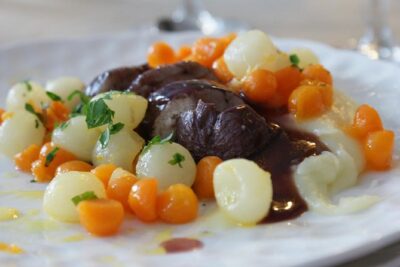
Paris Cooking Class and Lunch with Wine plus Market Visit Option
Read our review →
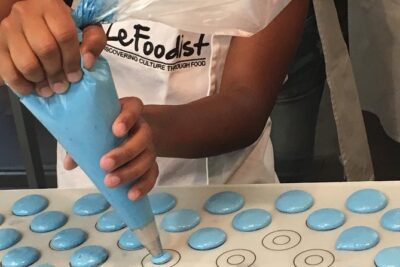
Paris Cooking Class: Learn How to Make Macarons
Read our review →
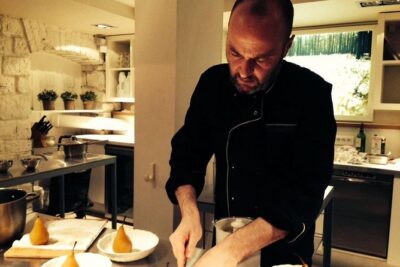
Paris Evening Cooking Class French Dinner and Market Visit Option
Read our review →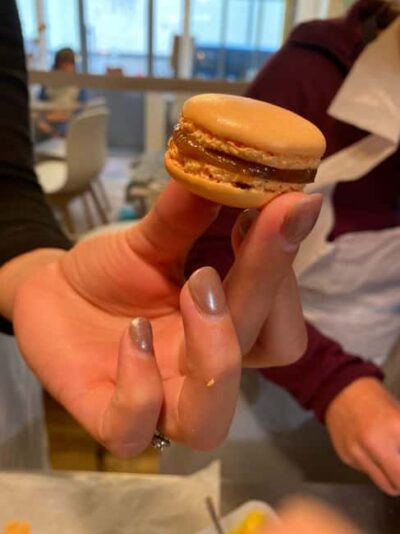

Seine Cruise and Macaron Tasting by the Eiffel Tower
Read our review →
Viator Exclusive: Local Cooking Class & Dinner with View of Nice
Read our review →Browse the lists this tour appears in