
Reviewed · WALKING TOURS
Strasbourg : European District Walking Tour
Strasbourg’s European District is where old Franco-German tension meets modern European cooperation. This 90-minute walk takes you from the Council of Europe and European Court of Human Rights to the lively Wacken area, with a useful explanation of what those institutions actually do. I like the small group size, limited to six, and the chance to see a part of Strasbourg that many visitors miss while staying close to the city center.
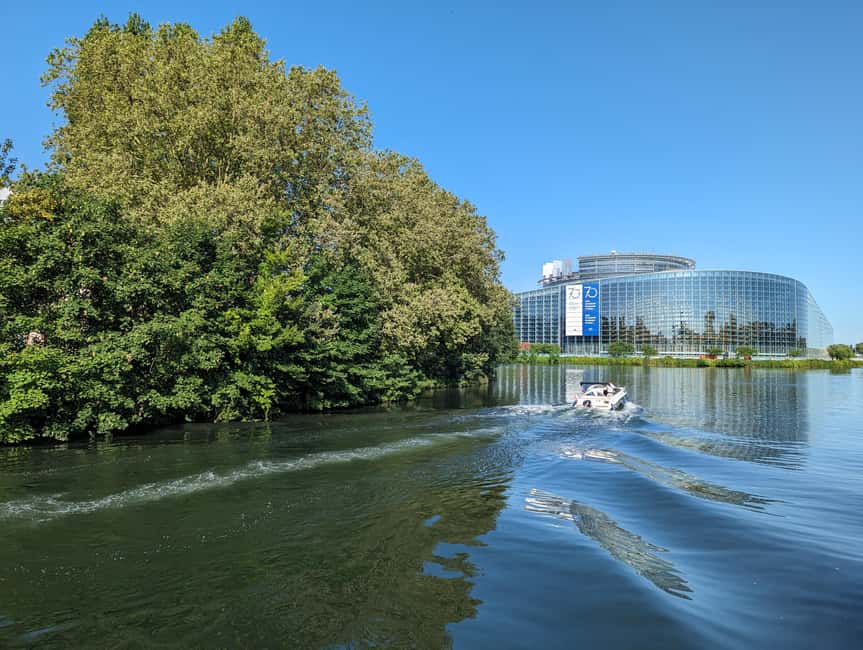
I also like the mix of politics, architecture, and local detail. You will see unusual Art Nouveau houses near the Orangerie District, follow the Ill River, and finish near the European Parliament. The main limitation is clear: you do not enter the Parliament. The walk also takes place rain or shine and is not suitable for people with mobility impairments.
In This Review
- Key points at a glance
- Why Strasbourg’s European District matters
- Starting at the Agora, near the Council of Europe
- The Council of Europe and European Court of Human Rights
- Art Nouveau houses near the Orangerie District
- Along the Ill River toward Wacken
- Finishing outside the European Parliament
- What the $35 price gives you
- Who will enjoy this walk most
- Practical tips for a smoother visit
- Should you book the European District walk?
- FAQ
- How long does the Strasbourg European District Walking Tour last?
- What languages are available?
- How large is the group?
- Does the tour enter the European Parliament?
- Where does the tour meet?
- What should I bring, and can I cancel?
Key points at a glance
- Small groups of up to six: You can ask questions without trying to catch a guide’s attention across a crowd.
- A practical introduction to Europe: Learn how the Council of Europe, European Court of Human Rights, and European Parliament differ.
- A walk through changing Strasbourg: Wacken combines new buildings, bike paths, the Ill River, and a fast-growing urban district.
- Art Nouveau near the Orangerie: The tour adds striking private houses to the political story.
- Guides with a personal touch: Nicolas is praised for clear explanations and amusing anecdotes, while Remy is noted for his friendly, patient style.
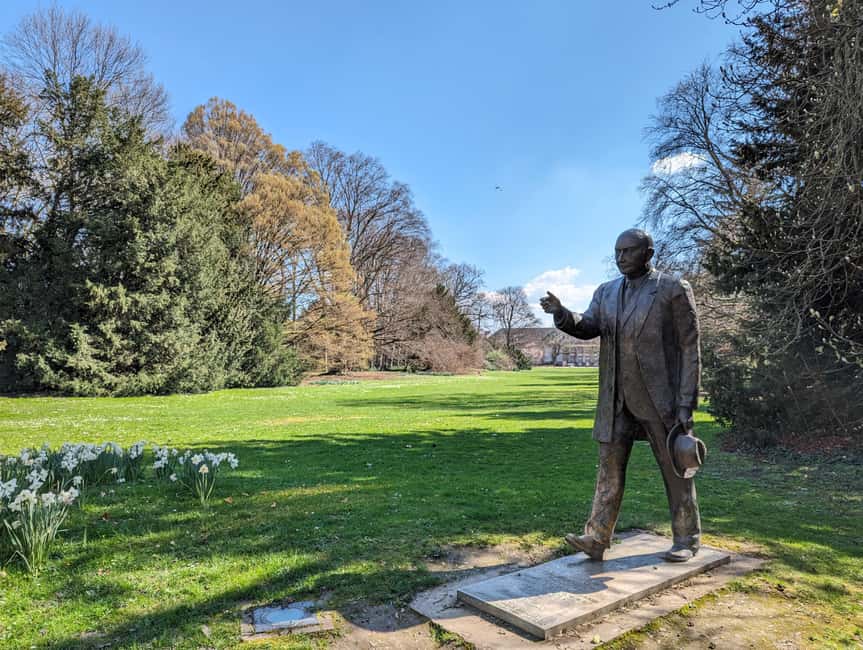
- Parliament visit not included: You finish near the entrance and can visit independently, with free entry stated in the tour information.
Why Strasbourg’s European District matters
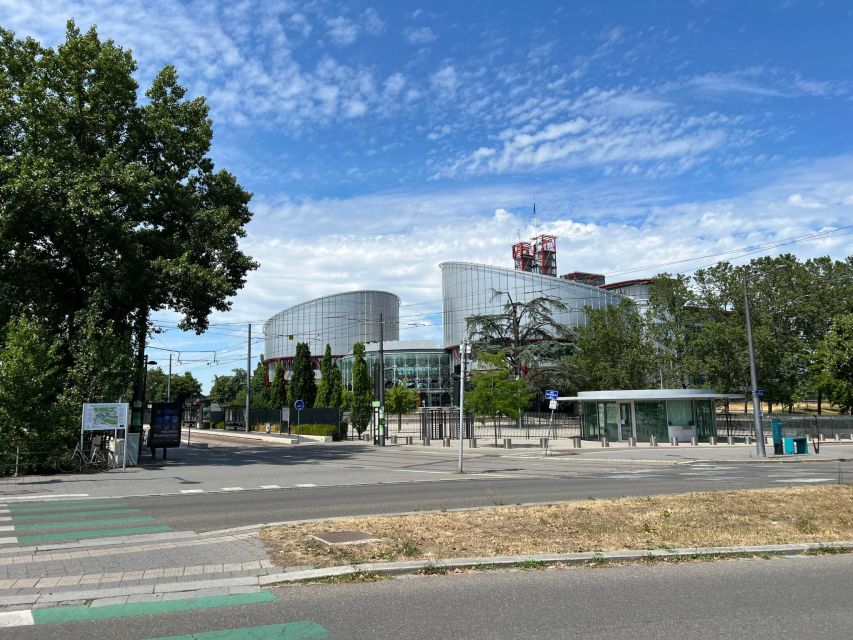
Strasbourg is an especially fitting place to talk about Europe. For generations, the city was caught between France and Germany, and control of Alsace shifted during periods of conflict. Today, European institutions use Strasbourg as one of their key homes. The change from disputed border city to meeting place gives the district real meaning beyond its office buildings.
A guide can make that story easier to follow by connecting the city’s past to the institutions in front of you. Instead of treating the European Union as an abstract idea, the walk shows you where European decisions, legal protections, and international cooperation take physical form.
The tour also helps sort out names that can blur together. The Council of Europe and the European Court of Human Rights are not the same as the European Union. The Council of Europe is a wider international organization, while the court deals with human rights law. The European Parliament, meanwhile, is part of the European Union and is where elected deputies from member countries vote on European laws.
That distinction alone makes the tour useful. If you have ever mixed up these institutions, you will leave with a much clearer map of who does what.
More Walking Tours in Strasbourg
- Strasbourg: Walking Tour with a Local Guide
★ 4.3 · 607 reviews - Strasbourg: Walking Tour with Local Guide
★ 5.0 · 598 reviews - Strasbourg: Guided Historical Neighborhoods Walking Tour
★ 4.9 · 275 reviews
Starting at the Agora, near the Council of Europe
The meeting point is the Agora, the building where the tour begins, close to the Council of Europe. Look for a guide wearing a black T-shirt with the orange Bretzel&Fun logo. That detail matters because the European District contains several large institutional buildings, and a clear visual marker makes the start less stressful.
The guide leads the walk on foot, so wear comfortable shoes and bring a passport or identity card. The tour is offered in English or French. The group limit of six creates a more personal setup than a large coach-style outing, and it gives you room to ask about the buildings, Strasbourg, or practical ideas for the rest of your stay.
The guide may be Nicolas or Remy. Nicolas is praised for explaining important European events in clear English and adding funny anecdotes. One family found that even their teenage son stayed interested, which is a good sign for families who worry that an institutional tour may feel dry. Remy is described as friendly, entertaining, and willing to make time for questions.
Those details point to the strongest part of this experience: the quality of the conversation. The buildings alone are not the whole story. You are paying for someone to explain why they matter.
The Council of Europe and European Court of Human Rights
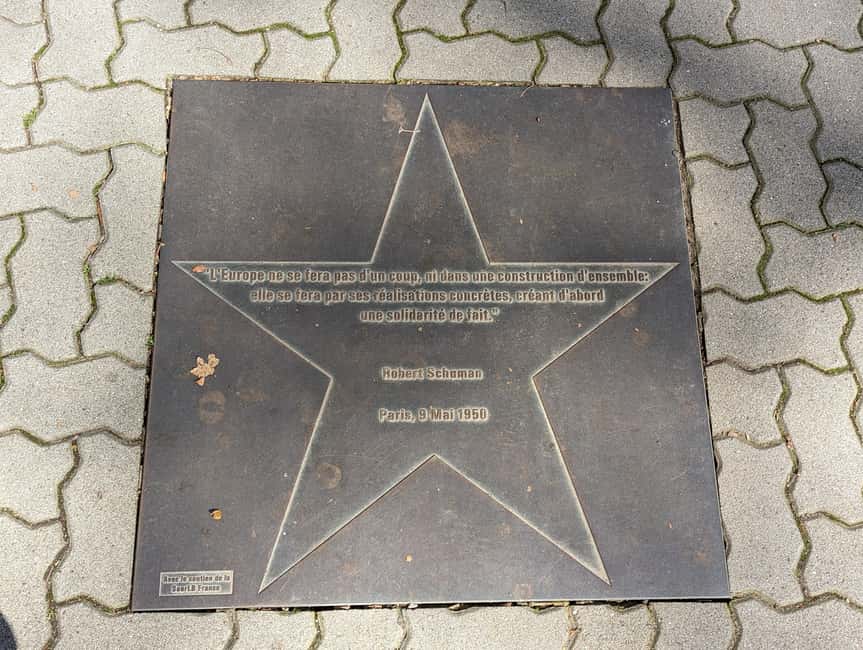
The first major section focuses on the institutions near the foot of the European District. You will hear about the Council of Europe and the European Court of Human Rights, including their specific roles and place within the wider European system.
This is not an inside visit. The value comes from the explanation and the setting. Seeing the institutions in person gives scale to ideas that can otherwise feel remote. Your guide can also explain the difference between political cooperation, human rights protection, and European Union law in a way that a sign or brochure cannot.
The tour is well suited to you if you enjoy understanding how places work. It is less suited to you if you want grand interiors, museum collections, or a long series of indoor stops. The walk stays outside, so the experience depends on the guide’s storytelling and your interest in the subject.
Bring weather protection. The walk runs in rain or sunshine, and no indoor alternative is promised. Strasbourg weather can change, so a light waterproof layer is a sensible choice even when the forecast looks kind.
Art Nouveau houses near the Orangerie District
The political buildings are only part of the route. Near the European District, you will see famous and unusual houses in the Art Nouveau style. This shift from international institutions to domestic architecture gives the walk a welcome change of pace.
Art Nouveau buildings are often noticed for their curved lines, decorative façades, and carefully designed details. Here, they add a local layer to a tour that could otherwise feel focused only on government offices. You get to see how Strasbourg’s residential architecture expresses a different side of the city from its formal European buildings.
This section also helps you understand the area as a neighborhood, not only as a collection of institutions. The Orangerie District has a more residential character, and the unusual houses make good photo stops. The tour includes photo opportunities, so have your camera ready rather than saving all your attention for the Parliament.
I like this architectural contrast. Strasbourg is not presented as just a place where politicians meet. You also see the streets, houses, and design choices that make the district worth walking through.
More Strasbourg & Alsace walks with a guide:
- Strasbourg: Traditional Food Walking Tour with Tastings
★ 4.8 · 219 reviews - Colmar: Highlights Walking Tour and Wine Tasting
★ 4.9 · 209 reviews - Colmar: Unusual Walking Tour with a local guide
★ 4.9 · 194 reviews - Strasbourg: Guided Walking Tour
★ 4.7 · 127 reviews
Along the Ill River toward Wacken
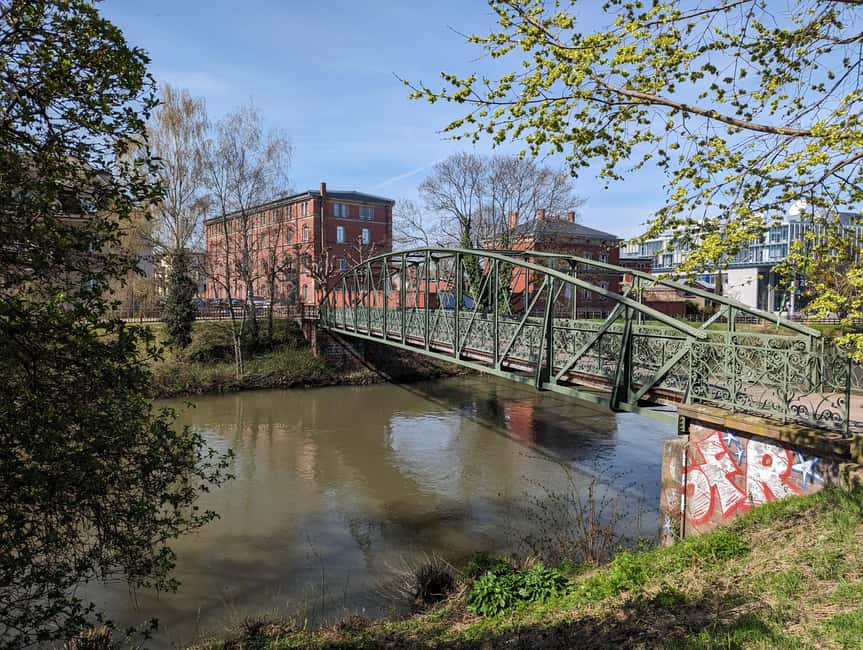
The route then follows the Ill River toward Wacken. The river adds a calmer visual thread to the walk, while the surroundings show how the area is changing.
Wacken is described as a fast-growing and dynamic district, with new buildings, bike paths, and modern development around the European Parliament. That makes it different from the historic core, where visitors usually focus on old streets and traditional façades. If you have already seen Strasbourg Cathedral and the central neighborhoods, this walk gives you another view of the city.
The modern development is part of the point, but it may not appeal to everyone. You will not get a medieval Strasbourg atmosphere at every turn. Instead, you will see an area shaped by institutions, transport routes, new construction, and the daily needs of a modern city.
For me, that makes the route more useful than a quick photo stop at a government building. You can see how the European District connects to the wider city, with the Ill River, cycle paths, and new buildings forming part of the setting.
Finishing outside the European Parliament
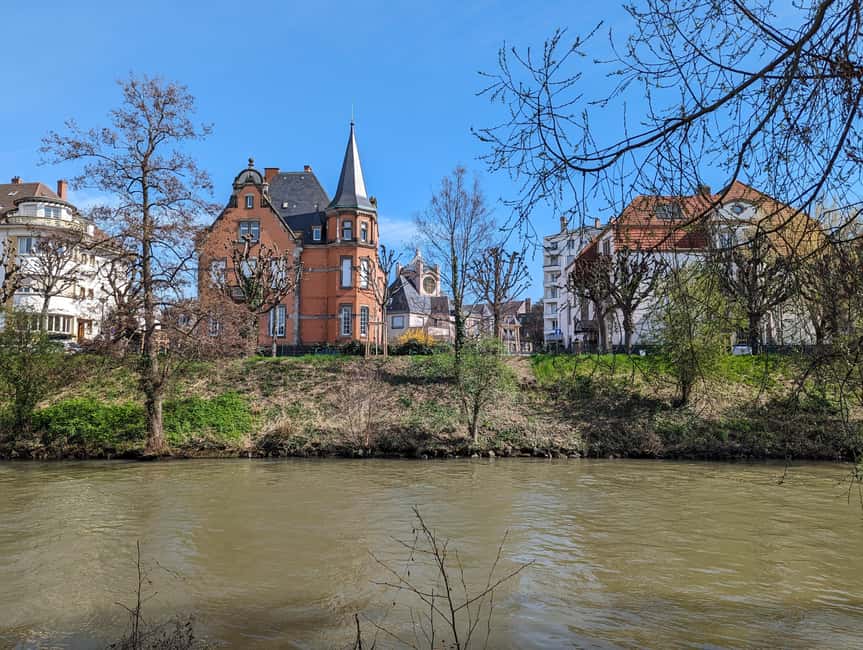
The tour ends close to the entrance of the European Parliament. This is where the guide explains the Parliament’s role and how it works. The institution is linked directly to European Union law, since deputies from each member country vote on European legislation there.
The visit is exterior only. You will not enter as part of the tour, and the guide does not provide an inside Parliament visit. This point deserves attention because the name of the experience could lead you to expect more.
The good news is that you can visit the Parliament independently after the walk. The information provided says the entrance is free, so the tour can work well as a first step before a self-guided visit. You get the political background from the guide, then decide if you want to continue inside on your own.
Plan your time carefully if the Parliament interior is important to you. The 90-minute walk does not include entry, and the tour ends near the entrance rather than taking you through security. Bring your passport or ID card, as identification is listed among the items to bring, and remember that weapons, sharp objects, and explosive substances are not allowed.
What the $35 price gives you
At $35 per person, this is not the cheapest way to spend 90 minutes in Strasbourg, but the value depends on what you want from the visit. You are paying for a local guide, a small group capped at six, explanations of several European institutions, architectural stops, and advice for the rest of your time in the region.
A larger public tour might cost less per person, but it usually gives you less room for questions. With only a few people, you can ask for clarification when the Council of Europe and European Union start to sound alike. You can also get suggestions for dinner or other local plans. Nicolas has provided restaurant advice after tours, which adds a practical benefit at no extra cost.
The price makes more sense if this is your first visit to the European District or if European politics and modern history interest you. It is less compelling if you mainly want access to the Parliament interior, since entry is not included.
The reserve-now, pay-later option keeps your plans flexible, and cancellation is free up to 24 hours before the tour for a full refund. Those terms are helpful when weather or a changing Strasbourg itinerary is a concern.
Who will enjoy this walk most
I would recommend this tour to several types of visitors:
- First-time visitors to Strasbourg: You get a clear introduction to a major part of the city beyond the historic center.
- People interested in European politics: The guide explains the roles of institutions that are often confused.
- Families with older children or teenagers: The combination of stories, buildings, river views, and unusual houses keeps the route from feeling like a lecture.
- Architecture fans: The Art Nouveau houses offer a strong visual counterpoint to the modern institutional buildings.
- Repeat visitors: If you have already covered the cathedral and old town, Wacken and the European District show you a newer side of Strasbourg.
- Small-group tour fans: Six people is small enough for direct conversation and individual questions.
I would choose another activity if you need step-free access, want to sit indoors, or expect a full tour of the European Parliament. The walk is not suitable for people with mobility impairments, and the rain-or-shine policy means you need to be ready for outdoor conditions.
Practical tips for a smoother visit
Meet at the Agora near the Council of Europe, not at the Parliament entrance. Look for the black shirt with the orange Bretzel&Fun logo, and allow yourself enough time to identify the starting building.
Wear walking shoes and bring a passport or ID card. Since the route includes outdoor streets and riverside sections, carry weather protection. There is no promise of shelter if the rain arrives.
Keep your expectations clear about the Parliament. You will see the exterior, hear how it functions, and finish close to the entrance. If you want to go inside, plan that as a separate visit and allow extra time after the tour.
Finally, use the guide for local advice. The tour includes recommendations for your stay, and the small group format makes it easy to ask where to eat or what to see next. That personal exchange may be as useful as the formal explanation of the institutions.
Should you book the European District walk?
Book it if you want Strasbourg’s European story explained by a local guide rather than pieced together from plaques and building names. The strongest reasons are the six-person limit, the clear focus on how European institutions differ, the Art Nouveau houses, and the walk through the changing Wacken district.
The best guide match may be Nicolas if you like lively explanations and political background with humor. Remy appears well suited to people who prefer a friendly, patient guide who welcomes questions. Guide assignments can vary, so treat those names as examples rather than a guarantee.
Skip it if your main goal is entering the European Parliament as part of a guided group. That is not included. But if you can accept an exterior visit and want a compact, useful look at modern Strasbourg, $35 is a fair price for 90 minutes of focused local explanation.
FAQ
How long does the Strasbourg European District Walking Tour last?
The tour lasts 90 minutes.
What languages are available?
The live tour guide speaks English or French.
How large is the group?
The tour is limited to six participants.
Does the tour enter the European Parliament?
No. The Parliament visit is outside only. The tour ends close to the entrance, and you can visit independently. Entry is stated as free.
Where does the tour meet?
The meeting point is the Agora, near the Council of Europe. The guide wears a black T-shirt with an orange Bretzel&Fun logo.
What should I bring, and can I cancel?
Bring a passport or identity card. The tour runs rain or shine, and weapons, sharp objects, and explosive substances are not allowed. You can cancel up to 24 hours in advance for a full refund.
Recently reviewed around Strasbourg & Alsace
- Guided tour of Nancy, Great History and Little Anecdotes★ 5.0 · 89 reviews
- Guided Tour “Unusual Nancy”★ 5.0 · 36 reviews
- Alsace villages half day tour from Colmar★ 5.0 · 186 reviews
- The Emblematic: visit of villages, Haut-Koenigsbourg, Wine tasting★ 5.0 · 81 reviews
- Segway Tours 2h in Colmar★ 5.0 · 116 reviews
- Alsace’s Gems Small Group Day Tour from Colmar★ 5.0 · 84 reviews
- Private and customizable: Alsace Wine Route HIGHLIGHTS in 3 hours★ 5.0 · 63 reviews
- ICONICS Tour: 1/2 day on the Wine Route, visit of 2 Villages + Tasting.★ 5.0 · 159 reviews
Walking Tours, compared.
Paris Top Sights Half Day Walking Tour with a Fun Guide
Read our review →
Montmartre Hidden Gems and Scenic Highlights Walking Tour
Read our review →
Montmartre Hill French Gourmet Food and Wine Tasting Walking Tour
Read our review →
Paris Île de la Cité and Notre-Dame Walking Tour With Crypt
Read our review →
Montmartre Cheese, Wine & Pastry Guided Walking Tour
Read our review →
Paris in a Day: Louvre or Orsay, Eiffel Tower, City Walk & Cruise
Read our review →
Montmartre Highlights Walking Tour with a Local Guide
Read our review →
Browse the lists this tour appears in